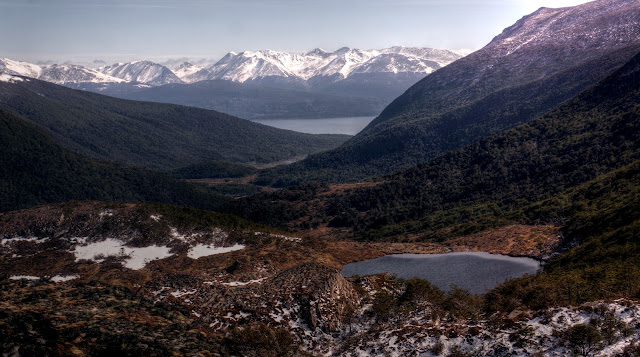
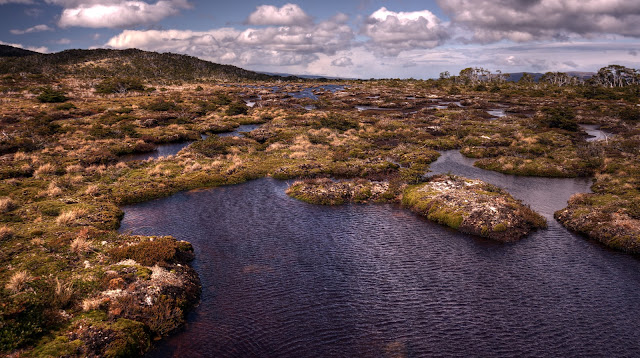
Showing posts with label Dientes del Navarino. Show all posts

Sunday, December 1, 2013

How to pack for a trek to the end of the world

Intro

Over the past few days of hostel stays I've landed in places with people frantically packing their backpacks, scurrying around the tourist towns trying to procure things for their journeys, and generally stressing out about what to bring on their hikes. Last night alone I helped three people go through their stuff, figure out what they would need and what they should leave, and pack their bags to maximize comfort and efficiency while minimizing the possibility of getting all of their stuff soaked in a rainstorm. I felt like an REI employee ().

I get it. Few things stress me out as much as packing. Strangely, packing for treks doesn't stress me out, I have it down.

So here’s my list in case it is helpful to anybody for what I packed for a 7 day (6 night) solo trek in highly variable terrain and weather conditions ranging from warm (but not hot) sun to blizzards in well below freezing conditions. This is the exact list of things I brought with me on my adventure on Isla Navarino, Chile.


Shopping

I included some specifics as well for items I’m particularly happy with, including links to pages where you can check them out. By using the links in this page to shop, you will be supporting this blog. I only put links to products and retailers that I use myself and really like.


Some good places to load up on outdoor gear, all with excellent product selection and customer service (pretty much everything outdoor-related I own came from one of these retailers), are:
  • REI () and REI Outlet ()
  • backcountry.com ()
  • Shopping for the patient, backcountry.com runs several ultra-discounted (50% or more) deal-a-minute feeds like * Steepandcheap.com* * and * Dogfunk.com*. If you have a wishlist item and aren't in a hurry, sign up for their alerts, watch their feeds, and get serious discounts on gear!
  • evo Outlet, a Seattle-based outdoor sport retailer

Me, with my pack, surviving the sleet in the Dientes del Navarino on a seven-day solo trek on Isla Navarino.


A few notes

Italicized items are “luxury” items that, while I don’t consider them necessary, were nice/fun enough to have that I found them worth the extra weight to bring them.

All of my stuff listed here together weighed in at around 15 kg (including the water) in my pack (not counting what I wore), which is entirely reasonable for someone of my size to carry.

The key to packing for a trek is to bring exactly what you need and nothing more. The less weight you have to carry, the faster and farther you’ll be able to go and the happier you’ll be. How light you go is really up to you: go ultralight and bring only what you need to survive, or go moderately light (I consider myself to fall in this category) and bring only what you need to survive and be reasonably comfortable.

Side note: where I’m from, “backpacking” means going out in the woods/mountains and living out of your backpack for a period; it seems in the rest of the world this is called “trekking” with “backpacking” meaning more hopping from hostel to hostel and living out of that kind of backpack. I will try to remember to use “trekking” for camping and living out of a backpack to avoid confusion with an international audience, although for me “trekking” implies the presence of facilities and campgrounds or refugios, while for me “backpacking” means true wilderness hiking.

If you are trekking with friends, you can benefit from the “economy of scale” by splitting up carrying shared items like tents and cooking gear and first aid supplies and toiletries. At least in theory. In practice, my two man tent is more than twice the weight of my one-man, I tend to bring fancier (and heavier) food—and things like bottles of booze—when out with others, and I feel more obligated to maintain a certain standard of hygiene with more changes of clothes and things like deodorant, so my pack for my solo trek was actually significantly lighter than it usually is when I’m out with others. Not to mention that several of my past boyfriends liked to use me as a packhorse (“I have fragile bones,” said one as he loaded my pack with the tent and the cooking gear and more than half of the food…that should have been a sign of things to come).

Views like these don't come easy, and make trekking so very rewarding. Lago Windhond, Isla Navarino, Chile.

The List

Essentials

  • Backpacking pack (my Gregory Electra 84L internal frame expedition pack is no longer made, but this one is similar)
  • Waterproof pack cover and garbage bags to put your critical “must stay dry” stuff in inside your pack just in case you go for a swim
  • Trekking poles (Black Diamond Flicklock 3-piece collapsible poles) While some may argue with me that these are not essential, if you are in variable terrain, doing stream crossings, or want to survive long steep downhills with your knees intact, I consider them a must-have. Tip: wrap a few meters of duct tape around your poles so that you have a ready supply for blisters, emergency fixes, etc.
  • 1-man tent with stakes (Doite Zolo Especial 3-season)
  • Sleeping pad (Big Agnes Air Core; their insulated pad is warmer but heavier)
  • Sleeping bag (Marmot Women's Teton 0F/-18C down bag) and bag liner (Sea to Summit Thermolite Reactor) for extra warmth. Make sure your sleeping bag is warm enough for the conditions you will encounter! Also beware that down bags, while incredibly warm and light, need to be carefully protected from moisture and stored properly (i.e. only keep them in their stuff sacks during trecks, never store them packed) to maintain their insulating power.
  • Water bottle or bladder (Platypus 3L hydration pack)
  • Headlamp and fully-charged batteries
  • Water filter or sterilizer (SteriPen Ultra…found this very handy for travel but poorly-protected from water damage and I fried mine on only my fifth trip to the backcountry, will bring tablets instead next time)
  • Topographic maps in a waterproof bag
  • Firestarter & lighters
  • Compass
  • Whistle
  • Swiss army knife

Food

Note: pack enough for your trek as well as enough extra in case you get stuck an extra day or two or find that after shivering all night long you are more ravenous than you would normally be. Plan for lots of carbs, a daily dose of protein, calorie-dense foods (like nuts, jerkey, etc.) and a few tasty treats that make you happy (for me, a few of my favorite fruits and veggies and cookies). You won’t get scurvy in a week, but your body will be happier if you are eating a reasonably balanced diet. This list is scaleable to shorter hikes or more people or different metabolic needs. I eat a lot normally, so also eat a lot while backpacking. I have noticed that most of the women I hike with eat and seem to need significantly less food, but in my opinion it’s better to bring more than feel underpowered until you get used to what your particular needs are. Think about how much food you normally eat when you are getting a good amount of exercise and try to figure out the lightest way to pack approximately that amount of food per day. I found this list a nice balance, if boring, of good, calorie-dense, largely lightweight options.

Tip: There’s a reason backpackers like dehydrated food. Avoid schlepping water weight wherever possible. Avoid cans: you can’t burn them when you’ve eaten what’s inside. Minimize packaging you’ll have to carry out when you pack your food. I like to pre-pack most of my food into resealable ziplock bags and put everything into a Tupperware container to cut down on packaging while avoiding messy spillsplosions inside my backpack.

  • 1.5 large packages of spaghetti with 7 dry seasoning packets for each day (tip: add soup mix to the water you cooked the pasta in for a warm treat without using more gas)
  • 4 cups of oatmeal (I packed half as much for my trek and really wished I had brought more)
  • 2 packages of tuna (if you can find these, like I did, in packets vs. in cans, all the better)
  • 1 can of garbonzo beans pre-cooked and mashed up with garlic and seasoning as a sort of makeshift hummusy-mash. Great flavor, as well as a good source of protein. Tasted good cold or warm.
  • 150 g butter (for sandwiches and for adding some oomph to the spaghetti or soup). Cheese is an excellent tasty and calorie-dense alternative, but I’m allergic to it.
  • 10 pitas/Chilean flatbreads for sandwiches (2 sandwiches per long day, 1 per short day)
  • 2 small packages of paté and one sleeve of presliced salami (a stick of salami would have been better than the packaged paté and salami sleeve)
  • 3 large packages of cookies (1/2 package per day). Substitute with granola bars if you can find them, but good whole-grain cookies are great, dense, dry energy food, and at least for me a morale boost.
  • 1 qt. of trail mix (nuts and dried fruit)
  • 6 packages of insta-soup
  • 4 avocados—a real treat in sandwiches! Even if they are a lot of weight, they pack a lot of good fat and flavor that I much appreciated during long slogs. Bell peppers are a lower-waste option, but there were none available when I went shopping.
  • 6 mandarin oranges—another treat!
  • 200 g chocolate
  • 100 g honey and/or marmalade—made oatmeal tasty
  • 1 small container of spice mix (mine is a mix of chili powder, garlic powder, and salt) to make otherwise bland or watery foods  more palatable
  • 6 tea bags (or packets of insta-coffee, if that’s your thing)

Cooking Equipment

  • Large lightweight aluminum pot with a lid
  • Small cooking can with a lid, doubles as a cup (titanium 750mL cup)
  • Camp stove (MSR Pocket Rocket)
  • 2 cans of camp fuel (only used 1, but bring extra)
  • Plastic spork (fork/knife/spoon in one little utensil)
  • Tupperware containers for storing food, doubled as dishes for mixing oatmeal & honey, spaghetti & mix, etc.)
  • 2 lighters

Note that I did not pack stuff with which to wash my dishes. I found a rinse with warm (or even cold) water, a scrub down with snow, and/or a wipe with my camp rag was good enough. Also, in most places in North America, you need to add a bear can or bear bag to this list to keep critters out of your food.

First Aid Kit and Toiletries

All of this fits into a small bag which keeps things in one easily-accessible and organized place. I use one of these Eagle Creek mini packing cubes.

  • Blister stuff (padded tape, moleskine)
  • Package of sanitary wipes
  • Hand sanitizer
  • Pill bottle with painkillers/anti-inflammatories (I carry ibuprofen and motrin PM), Benadryl, decongestant, antidiarrheal medications, and anything else you need (e.g. birth control pills, EpiPen, inhaler, malaria meds, altitude sickness meds, your daily dose of antipsychotics, etc.). I mix everything together in one small pill bottle, taking just what I need, and tape a label to it to remind me what’s what.
  • ACE bandage
  • Sterile gauze
  • Medical tape
  • Scissors
  • Tweezers
  • Bandaids
  • Toothbrush
  • Travel toothpaste
  • Floss
  • DivaCup (ladies, if you don’t know what this is, look into it)
  • Contacts, contact case, and small bottle of contact solution…don’t get pinkeye, wash your hands well before removing or placing contact lenses
  • Glasses and glasses case
  • Blistex and chapstick
  • Sunscreen
  • Earplugs (really help with sleeping on windy/rainy nights…or if you have a heavy-breathing tentmate)
  • Small sewing kit with needles (also good for treating blisters), thread, safety pins, and Velcro strips

Note that I did not pack normal toiletry items like soap, shampoo, lotion, a comb, deodorant, facewash, etc. You’re in the woods, you’re going to get filthy, you’re going to stink, and trust me that creek is going to be too cold to want to dunk in for a bath. Embrace your inner filthy swampbeast. You can use wet wipes for sponge bathing if you really start to feel icky in an “I have a bogwater rash” potentially serious sort of way (I wet-wipe washed my feet most nights).

Clothes

Note: this list includes what I wore on the trail and what I packed. In general, just enough to keep warm enough while hiking and a set of dry thermals for emergencies and to stay warm in camp.

Electronics

Note: all of these things are optional, but having a GPS is useful and it is probably a good idea to keep a phone on you even if you’re not going to get a signal to use it.
  • Smartphone with GPS loaded with navigation app (I used BackCountry Navigator for Android, but it was a little buggy) and topo maps with extra battery
  • Battery charger bank (Anker Astro 5600 mAh) with charger cable to charge phone
  • Kindle e-ink e-reader loaded with maps, first aid guides, and fun reading material
  • Mini MP3 player and headphones = instant-energy / morale boost when the slog gets too sloggy (San Disk Sansa Clip)
  • Camera
  • GoPro and spare battery

Miscellaneous

  • Absorbent rag / small towel (used a small car rag I bought at a grocery store…it was perfect)
  • 5 m parachute/nylon cord for tent ties, lines, etc.
  • Zipties and Velcro ties (I have yet to use any of these while backpacking, but they seemed maybe useful so I continue to keep them in my pack)
  • Duct tape (wrapped onto trekking poles for easy access)
  • Large and small plastic garbage/shopping bags (3 each)
  • Resealable Ziploc bags (3)
  • Tissues (3 packs…or 1 pack and a small roll of toilet paper)
  • Shit kit: shivel (= shit-shovel, a.k.a. trowel, for digging a pit for your poo), TP/tissue/wipes, trash bag, hand sanitizer
  • Notebook and pens


Trekking is fun. On Isla Navarino, Chile.

A few additional notes

On packing

A general tip is to put your heaviest/densest stuff next to your back (e.g. if you have a water bladder it goes right up against your back in your pack), lighter stuff goes on the outside. This keeps your center of gravity where it should be.

Pack lengthwise—a bunch of stuff hanging off your back, aside from making you look like a ridiculous hermit crab, will throw off your center of gravity and make it very hard to walk and keep your balance.

If your pack extends much over your head (unless you are carrying, say, skis or a snowboard or a fishing pole), you packed too much, take stuff out. I’m 5’3” and if my full pack for a week of trekking does not extend over my head, neither should yours.

Keep stuff you’ll need during the course of the hike (snacks, compass/GPS, camera, maps, shit kit, water, poncho, pack cover) in outside pockets, ideally outside pockets you can reach without taking the pack off. Other stuff you anticipate needing immediately when you get to camp or in an emergency (firestarter and lighter, first aid kit, waterproof shells, extra layers) in easy-to-access locations as well.

Put your sleeping bag and other sleeping stuff inside a waterproof garbage bag whether it is inside your pack (most good packs have a special compartment at the bottom for stashing your sleeping bag) or tied onto the outside (if this is the case, make sure it’s a sturdy bag, or consider double-bagging and carry backup bags for when sticks or rocks rip your trash bag open). Same thing for any clothes, electronics, or anything sensitive to water.

Stuff sacks for your tent, poles, sleeping bag, sleeping mat, fancy jackets, cooking pots, etc. are nice for keeping things compact and organized, but add ounces and are they really necessary, especially if you’re stashing everything in a waterproof garbage bag anyhow? Ultralight fanatics say no.

On the trail

If you pack well, water will be one of your biggest sources of weight. Know your route and water sources. If there are lots, you can get away with carrying less water at a time. However, I’d never leave camp without at least 1L on me. STAY HYDRATED.

In extremely windy conditions beware of pack covers. Mine blew off in a gust in Torres del Paine and I had nothing else to keep my pack dry in the wind, so when the rainstorm started it got soaked. If you have a pack cover, make sure it’s cinched down tight and tied on somehow so that you don’t lose it like I did.

Practice good pootiquette and always poo well away from water sources and other sensitive areas. I usually carry a “shit kit” (see above) in an outside pocket of my backpack: a small roll of TP, a small package of wet wipes, a garbage bag for the used wipes (carry out your trash, folks!! Unless you’re in a place where you can safely burn it), and a bottle of hand sanitizer. In some parts of the world in very sensitive areas you may be required to pack out your poo. Plan (and maybe adjust your fiber intake…) accordingly.

Speaking of bodily functions…ladies, you save a lot of carrying around used TP if you get good at drip-drying when you pee. Good underwear (e.g. ExOfficio antimicrobial undies) makes this seem less gross. One sign of a true backpacker chick is a woman who can pee without even taking her pack off. I assure you, it is possible. Bring wet wipes for hygiene to avoid yeast or bladder infections. Also, DivaCup. If I’m out backpacking with you and see a bag full o’ tampons and pads I’ll hit you. You’ve been warned.

In camp

Because of the very foul weather I kept my pack and boots, wet/dirty shell clothing layers along with everything else inside my tent with me. I had room inside, and did not have a rain fly to stash it under to keep it out of the weather but out of my tent. This meant I had to be extra-careful to keep my pack dry while hiking. In North American regions with bears or other critters, this is not a good idea, so carry stuff to hang and keep your stuff dry while away from your tent.

Keep tent ventilation openings clear and open.

Keep a dry pair of camp clothes (thermal layers, socks, hat) to change into at the end of the day. It gets cold at night, and you won’t want to be wet on top of it. These layers can all double as additional hiking layers for truly extreme weather, but I wouldn’t ever put them on in wet conditions (if it’s still warm enough to be wet, it isn’t that cold…just walk faster…keep your dry stuff for when you’re stationary in camp).

If condensation in your tent is a problem, make sure your tent is set up correctly (i.e. tight), open whatever vents your tent comes with (my tent, for example, has a trick dual zipper that allows you to fold down the top parts of the doors underneath a little overhang for additional ventilation) and use an absorbent rag to wipe down the inside periodically (wring out the rag outside the tent after you do to prevent the water you just mopped up from condensing right back onto the walls of your tent).

Do not cook inside your tent. You could light your tent on fire, the steam from the water will cause serious condensation problems, you could spill your meal all over your sleeping bag…not worth it.

To keep batteries warm and therefore more functional, keep them in interior pockets while you are hiking and inside your sleeping bag at night.

I put the base layers I’ll be wearing the next day (socks, gloves, sport bra, t-shirt, long-sleeved thermal shirt) in my sleeping bag to pre-warm them for the morning.

Jackets balled up under or in the head of your sleeping bag make great pillows. So does a stuff sack full of the clothes you aren’t wearing.

Your winter sleeping bag should have cinches around the head and shoulders. If it’s cold, cinch! It’s amazing how much heat you conserve if the only opening of your sleeping bag is a little O that your nose (or mouth) pokes through. On really cold nights, be prepared to wear everything you have that is dry (hats, jackets, socks, whateveryouvegot) inside your sleeping bag. Again, hats. If your head is warm, the rest of you will stay a lot warmer, too.

Genius tip from my friend Anneke: In cold weather, fill your water bottle with warm/hot (careful about it being too hot—a lot of plastics don’t stand up well to boiling or very hot water or will leach nasty stuff) water and put the (carefully closed!) bottle into your sleeping bag at night as a heat source.


Good times in a blizzard on Isla Navarino, Chile.


How about you? Any tips to share? Disagreements with what I’ve listed? Is this useful—should I also post my packing lists for traveling, splitboard trips, etc.?

Thursday, November 21, 2013

Navarino VIII: The Feral Swampbeast returns to civilization

Part VIII in the story of my 7-day solo trek on Isla Navarino, continued from Part VII: Blizzards and Beavers. To start at the beginning or to see the full list of Navarino episodes, click here.

My morning view


Although it was cold when I woke up on my final day of my hike, the sun was shining. Having slept a fairly solid 9 hours I was ready for my only early start. I had woken up with “Swing Low, Sweet Chariot” stuck in my head for no particular reason that I could think of, and so began my day singing out loud in my best gospel voice, alone in the mountains, like a true crazy hermit. After a final breakfast of runny oatmeal while my sleeping bag and tent dried a bit in the sun, still singing, I was ready to go and was on the trail by 8 am.  And this time there was a trail, at least way markers that were more often visible than not for the first few hours.

She's alive!!
Despite the trail, and despite the singing (or maybe because of it?) I was moving slowly. My cold had moved to my lungs and I was wheezing and short of breath, and with my sinuses completely plugged, breathing was hard (and you can imagine how good the singing actually sounded). I would get out of breath walking downhill, when usually I can charge up hills with a pack without too much problem. But I had all day, and although the distance I had to cover was comparable to some very long days I had had, the good weather, spectacular  views, and presence of a trail made me hopeful that I could made good time for a change even at a slow, steady pace.

The hike was beautiful, and the snow lent everything a certain additional air of solitude and romance, but I was very cold and my feet were soaked all day, which they had also been most of the previous days, but the cold made it especially hard. And, of course, I couldn't escape the beavers and once again landed in beaver terrain. Beaverland turned into bog again and my path continued through miles of swamp. I could smell my own feet with each step, which by now smelled distinct from and significantly worse than the bog water in which they had been incubating all week.

Footprints in the snow at the end of the world.
I crested the small pass that marked the longitudinal backbone of the island and suddenly I could see the ocean again, the Beagle Channel. I had returned to vistas where I could no longer say “no humans as far as I can see”. With mixed feelings, I was returning to civilization: looking forward to warming up and drying out my feet and resting off my cold, but very reluctant to leave the delightful solitude I had so much enjoyed. I felt like some feral thing, emerging stinking and filthy from the bogs and peaks and blizzards of the wild south and skulking warily into the habitat of other humans.

And civilization met me that early afternoon with dusty dirt roads and swarms of black bugs that got up my nose and in my eyes and down my shirt and everywhere. And I emerged from the road in the woods into the wood-smoky air of Puerto Williams, simultaneously relieved and reluctant.

My first stop when I returned to Puerto Williams was the info center to ask where I could book a plane ticket, since I needed to meet my friends for my birthday trek in Torres del Paine in a few days. She looked at me and suggested instead that I take the long ferry to Punta Arenas, commenting, “I can see from your face that you have had…an experience. It seems you need time to rest.” I later saw what she meant. I was windburnt, had dark circles under my eyes, bleeding scratches on my face, and matted hair decorated with sticks. And then there was the stench coming from my feet.

View of the Beagle Channel from a crest in the trail

I stopped by the DAP office to ask about the plane anyhow, the ferry would get me to my friends too late. All flights were full for a week, contrary to what I had been told before I left that I should just book when I returned from my hike. But they said to come back in a few hours and check for cancellations. I thought that was a fine idea, maybe I’d have better luck after a shower.

Next I stopped by the Carabineros to register my safe return. The officer on duty seemed surprised when he checked the records and saw when I had left and heard where I had been and asked me about it, saying he had never been out there, or even past the Cerro Banderas. I showed him some photos (my camera having successfully mostly dried out) and told him a bit about the trip. He commented about all of the others who had turned back that week because of the weather and wondered how I got on. “It was cold, wet, and snowy,” I said, “but beautiful. Incredible.” As I was there, two more guys—one a seasoned Pacific Crest Trail distance hiker—showed up. They had also given up on their trek due to the weather and lack of trail.

I walked out feeling like a warrior queen, trailing broken hearts and taking swigs from a flask full of tears milked from her conquered enemies. Although to be fair I had also not finished the Dientes circuit. But give up, tuck tail, and return to town? The thought had honestly never crossed my mind. With the exception of the fall in the swamp, at no point did I feel scared or in over my head. I had only wished I had more time to go back and finish the circuit after my wander to the south. I wondered what it would have taken for me to have actually returned early. A legion of pumas chasing me down off the pass, I decided. Or running out of food. I need to learn how to hunt and clean an animal, I decided, thinking of the beaver. Or a wet sleeping bag that I couldn’t dry out.


Church in Puerto Williams

Finally I returned “home” to Patty’s. I stripped off my gaitors and boots and socks at the door, walked in, and was met by a giant hug from Patty. It was like coming home to mom. “The best time of my life,” was all I could say. Despite the cold, the wet, and the rain, it really had been. Mira!” She responded with a grin. She saw that I had fallen deeply, madly in love with the island that she, too, loved.

I started to unpack and was about to take a shower when I met my roommate for the evening who appeared in the door and asked if I wanted a beer. Beer. Ohhellzyess I wanted a beer. A cold, glorious, delicious beer (Austral Yagán—a very good dark beer). So I sat, sipping and delighting in the beer, looking like a wild creature and smelling worse, chatting for an hour with Fernando about life, careers, and adventures.

And then I finally showered, clumps of hair coming out as I tried to shampoo my matted head. I put on clean clothes, brushed what was left of my hair, and even put on mascara. And just like that I went from feral swampbeast to domesticated human, but a domesticated human who had been reunited with her strong and independent heart and fiercely wild soul.

I cleaned my stuff, re-packed, and then had dinner with an older Canadian couple who had cycled all the way from Bolivia to Punto Arenas, including the entire length of Argentina’s legendary Ruta 40. The food and shower and beer having made me feel like a new person, I decided to go out to the Club de Yates for a beer—just one beer, to check in with people, I told myself.


Panorama of the Club de Yates


I ended up staying for much longer than one beer, chatting and laughing and dancing until 4 am with the other wild souls who had also been drawn by the gravity of the romance of adventure of the end of the world to land at that bar (and the entirety of the Chilean navy posted in Puerto Williams…as the only woman at the bar, I was popular that night).

Poor Fernando, who also showed up, was obligated to escort me home (I bullied him into staying later and later for round after round of beer, because I’m a terrible person and a despotic drunk, and also had no idea how late it was). The skies were stunning, with the light just coming up and turning the clouds an eerie pastel.

On the walk back to Patty’s Fernando and I shared the stories of our lives: our dreams, our passions, the lessons we had learned from our adventures that had brought us to that night.  When we tucked into our bunks in otherwise empty hostel, the conversation had turned to our love lives, and he said, “You are an interesting person, I think you will find someone very soon.” 

I laughed and replied that the challenge isn’t finding someone. It’s finding someone who enriches your life instead of tying you town and eating your soul. 

There was a long silence followed by a quiet yes, and we fell asleep.

Or rather we both laid there staring at the ceiling for a while absorbed in our own silent conversations, mine between my heart, which the minute I made that comment ached to find that someone, my head, who countered that it seemed relationships are having another person tie you down and eat your soul, and my soul who wrapped its wings around my head and my heart and said quietly “Sssh, it’s okay now, we’re okay now.” And, reassured and agreeing that, indeed, everything was okay, very much more than okay, (and my soul, being fierce and wild, was not about to be eaten without a good fight) the three of them snuggled into the squishy sack of exhausted flesh that was my body and I fell asleep with a smile.

THE END

Monday, November 18, 2013

Navarino Part V: Bahia Windhond, or the day I stood naked at the end of the world

Part V in the story of my 7-day solo trek on Isla Navarino, continued from Part IV: Refugio Charles and Lago Windhond. To start at the beginning or to see the full list of Navarino episodes, click here.

I am the queen of late starts. Despite waking at around 7 am I didn’t leave camp until around 10. I first spent around two hours trying to mend the giant holes I had burned in my socks at the fire at the previous camp—an attempt that later proved futile, at least in part because of my terrible sewing skills. I didn’t bother with breakfast and just ate some cookies and one of the sandwiches I had packed instead. I put on my damp socks and boots and took off with a little fanny pack with food and a poncho, leaving my tent up in case of bad weather, and thinking I’d be back from the bay—which was right there—by lunch. Ha!

Frankensocks


First, less than two minutes in to the trek my bowels made the sort of gurgle that means “DO NOT IGNORE ME” and I barely had time to drop my pants before I suddenly became a full two pounds lighter.

Not long after that, I was stopped again, this time by a large river that was not on the cheesy whole-island map that I now had to rely on (this part of the island falling well off the edge of my halfway decent topo maps). It was, I realized, on my GPS map which if I had seen before should have warned me (my excuse: my phone screen is nearly impossible to read in the glare of the light of day, and with all the rain over the past few days I didn’t often want to take it out of my pocket). None of the creeks that had been very difficult to impossible to cross that I had been hopping and wading through and skirting before had been on the GPS map, so the fact that this map showed up should have clued me into the fact that this would be a large obstacle. Indeed, this was no creek. It was a legitimate river. I walked along its banks for over a mile, trying to see if there was any chance of a shallow spot I could wade across or a series of logs or something, but there was nothing, no way to cross without swimming, which I might have considered if not for my cold (I had woken up with a sore throat, headache, and full sinuses), it being very cold, and not wanting to dunk my camera for a second time in 30 hours.

My campsite. Camera was still a little soggy (hence the fog)... didn't want to get it any wetter.


The river did not go straight to the bay, which as the crow flies was less than 4 km away. It went instead another 12 km to the east, increasing the distance I needed to walk by at least 3x (or 16 more km out and back). I mentally came to terms with the reality of my not making it back by lunch, needing to camp another night in my little hilltop room with a view, and it being now extremely unlikely that I’d be able to make it back to the Dientes circuit in time to make a quick go at it.

But damnit, I was going to make it to that bay! Over the next four hours I marched through forest, peat bog, spiny death bushes, and beaver swamps that in some cases I was only able to get through by tightroping across their dams—in two cases breaking them (sorry beavers, but you did make the route impassable, plus, you are a non-native species…so I didn’t feel too bad).

But this guy was a native species. He can stay.


Most exhausting of all were the chest-deep mounds of beachgrass on the dunes when I finally approached the bay. Where hiking through the peat bogs was like walking for hours on a mattress, the beachgrass involved lifting my leg to my chest, scrambling up, sinking back down, repeat. When I arrived at the beach I was exhausted and my tendons hurt.

More bog.


But I made it.

To the end of the world.


The beach at Bahia Windhond

At least as close to the end of the world I could get without passage on a yacht or a trip to Antarctica, as close to the end of the world as I could get without a whole lot of money I don’t have. The farthest south anyone I know has been who hasn’t been to Antarctica.

Yay!!

I had a glorious ten minutes in the sun when I finally arrived. I ate my sandwich, stripped naked and had just started to wade into the water when I saw the giant dark storm cloud heading straight for me. I thought the better of going for a frigid swim with a storm coming and a four hour walk back to warmth before me. So I waved goodbye to the end of the world, threw my clothes and poncho back on, and hit the chest-deep grass again just as the hail hit.

Where on the hike there I had had many moments where I’d grin and laugh when I’d see some vista and remember where I was and what I was doing, on the way back my brain switched off and I just marched, too tired and cold and wet to enjoy the scenery. I marched back through the mounds of beachgrass, back through the beaver swamps, back through the peat bogs, through forest and plains, through meadows and over hills, poncho on, face set, trying to keep up a good clip to stay reasonably warm in the cold rain.

A sampling of the scenery I marched through.


I marched for hours like that until suddenly, at the top of a ridge forested with tall, slender trees, a gentle wind made the trees sing at the same time that a cloud opened up, sending soft green light dancing around me. I was dazzled.

The moment hit me like a shock, a reminder of where I was, of all that had brought me there, and I was floored with gratitude and happiness. It was like the God I had loved as a young person had appeared in front of me, held out his arms, and said, “See? It was all okay in the end.” I looked around me, bathed in the dancing light and singing trees, filled with the feeling of everything being okay.

In that moment I realized that all of the struggle and torment and tedium and heartache (and good times as well) that had eaten me the past decade and especially the past few years had, as a culmination of forks in the road that my life had taken, brought me there, to this magical grove of trees on an island on the cold, sweaty, southern toe of the Americas. There, to a place and on an adventure of which my self a decade ago would never have dreamed. That it had been okay in the end. More than okay: Incredible. And there I was, standing outrageously happy at the end of the world.

Forest


I was moved to do something I hadn’t done in over a decade: I prayed. Dropped to my knees, face to the sky, surrendered myself to the universe, and prayed. I prayed to no deity in particular, having long ago become disillusioned by and walked away from the religion of my childhood, so I was simply talking to the air. But the feeling was the same as when I used to pray in my youth; I felt connected to the universe, felt my soul bursting inside me. It was a prayer of thanks, and a prayer for forgiveness: forgiveness for my lack of understanding and appreciation of all these years, and forgiveness for the anger and bitterness that I had been refusing to give up for so long.

And finally I forgave, in words out loud to the wind, those people against whom I had held the anger that had been eating me alive.

I forgave my German ex-fiancé who, I was finally able to accept, did what he had to do to protect his own happiness and sense of self. In that moment I realized truly that I am happier now than I could have been with the real version of him that I had refused to see and refused to accept. That his leaving was, even though the circumstances were terrible, in the end a gift. That my heart was broken but was returned to me, and that it was in my power to heal it, because my heart is a big heart, a strong heart, and a good heart. In that moment I was finally able to let him, and the rage and disgust and fury that had been rotting me from the inside these past few years, go.

I forgave my beloved sister who, also in making decisions to protect her own happiness, had burned to the ground her own relationship—a relationship that I had held onto as a lighthouse of hope in the wake of my own falling apart as proof that true love was possible. If true love like hers was possible, I felt some hope that I might also find it someday. When her marriage ended I was devastated, because I saw it as proof that I would never find a lasting relationship because real and lasting love does not exist. In that moment in the trees I realized that my happiness does not depend on my finding a soulmate, if such a thing even exists. I realized that I am the happiest I have ever been right now, and I am alone!—and my happiness certainly doesn’t depend on the relationship status of my sister, who I adore and wish every joy in the world.

I forgave the friend who had been my buddy during much of the time I was struggling through the former two hurts who, without word or explanation, threw me off in a way that ripped open the wounds that were just starting to scab over. I realized that although I may never understand why he did it, that I was okay now, that I could be grateful for the happiness he brought me in a very dark time, and that I hoped that whatever he is up to now, that he is happy.

Stream


And finally, I forgave myself for my shortcomings and the hell I put other people through during these dark years. I forgave myself for taking so long to get over the other things—for the hell I put my own self through. For being small and bitter and jealous and angry and needy and an imperfect human. I had been furious with people for ruining my life. I needed to see that my life wasn’t ruined, that it was, in fact, better than it otherwise would have been, before I was able to let go and forgive. That was not big of me, but it was human of me, and sometimes we have to forgive ourselves for being humans, not saints. Whatever the path, in the end I had fought through the darkness and clawed my way up from the deep well I had fallen into. I had been brave enough to throw a middle finger to expectations and go on a quest to find where my soul had run off to and to try to heal my heart. I hadn’t done perfect, but I had done good. “It’s okay, Carie,” I thought. “It’s okay now.”

The wind and light wrapped me around me as though the universe was also saying, “It’s okay, Carie, it’s okay now,” and giving me a hug. I stood, feeling if not fully healed at least a whole lot closer. And I felt at peace in my heart for what very well may have been the first time of my 20’s.

The rain started again and the magical huggy wind spirit wasn’t going to take me back to camp, my feet would have to do that, so off I went again. My GPS was acting screwy but I was pretty sure I could find my way back to camp without it. Sure enough, an hour and a half or so later, I laughed out loud when I rounded a corner and almost stepped in my giant, now half-melted turd from the morning (bad pootiquette, I know, but I figured nobody would be around this area until long after the weather had taken care of it, and I didn’t have a trowel on me). I was home!

Home sweet home.


For dinner I cooked a noodle soup and then promptly knocked over the pot and spilled it all over the ground, so I ate dirt-coated noodles picked off the ground and cookies for dinner, enjoying the view for about twenty rain-free minutes before the rain returned. It was a cold night, not only because I had a cold but because it was a cold storm, and I curled up inside my tent bundled up in several layers including a down jacket inside my down sleeping bag and still felt cold. Cold, but content and happy, and whole.


Spoiler video from the trek:


I woke up to patches of snow around my tent, a preview of the weather to come. Continued in Part VI: Bushwhacking North

Saturday, November 16, 2013

Navarino Part IV: Refugio Charles and Lago Windhond

Part IV in the story of my 7-day solo trek on Isla Navarino, continued from Part III: Paso de los Dientes and Descent into the Swamp. To start at the beginning or to see the full list of Navarino episodes, click here.

I woke with the sun at 5:40 am (later in the darkness of the woods than out in the open), but despite the window of good weather I let laziness get the best of me, justifying it with feeling a cold coming on and needing the rest to stay healthy, and went back to sleep. I didn’t wake up for another three hours.  I shoveled in a handful of trail mix for breakfast and assessed the water damage. My sleeping bag was dangerously damp and I would need to dry it if I was going to sleep the coming night. My hiking socks all had holes burnt in them from being put too close to the fire the night before. Everything was cold and wet. It was a cold morning. But I wasn’t going to get any warmer staying put, so I braced myself and put on my cold, wet clothes, my cold, wet socks with holes in them, and my cold and still very soggy boots, and packed the rest of my cold, wet things into my cold, wet pack.

View from inside the damp sleeping bag.


I soon had something to cheer me up when I finally picked up a GPS signal and was within 500 meters of where I thought I was, within throwing distance of the official “trail” (which thanks to beavers didn’t actually exist anymore), and very close to the refugio, which I reached after an hour and a half of slogging through more bog (but no more swims, thank God).


More bog to wade through, but I didn't almost drown this time.


I arrived at the refugio—a rough log cabin with a corrugated metal roof—feeling uneasy, having seen boot prints from a group of men again and having in my head the unsettling parting advice of the Carabineros that “if you meet other people while you are out there, say you are not alone, okay?” I really didn’t want to run into a group of strange men out deep in the middle of nowhere. Most people are great and these men were probably nice people, but I just wanted to be alone. So I snuck up on the refugio, listened as I approached, listened at the door, and didn't go in until I was satisfied that nobody was inside. I was much relieved when I found a notebook inside that served as the guestbook and read that three men had just left the refugio the day before—no doubt those were the bootprints I had seen. They had either gone out by the other valley trail to the refugio or we had passed by each other without realizing it. Regardless, I had the place to myself.

The refugio guestbook.


Flipping through the notebook, I was only the fourth “group” to have arrived at the refugio since May, and the only person alone in, it looked like, almost a year. Most of the people there were there to fish, it seemed, and fishing gear was scattered around the refugio. There was a wood stove inside and dry firewood and I set to work building a fire in the stove and hanging my dripping wet things around it. As my stuff dried, I amused myself by collecting wood from the woods around the refugio to replace the dry wood I was using, stoking the fire, sweeping out the refugio, attempting to take as much of my camera apart as I could with the rough Swiss Army Knife tools I had to dry it out. I made lunch, and looked over my maps to plot my next move: How far was it to the bay? I was disappointed that it wasn’t in view from the refugio, having thought it would be.


I wandered off to get water. The nearby river was red with humic material that, having just slogged through the nasty-ass bog it came from, I was reluctant to drink without treating. So I brought out my UV pen to sterilize the water, and of course promptly dropped it right into the river where the protective rubber cap covering the electronic bits popped off and—fried. Shit. So I filled my cooking pot with water and put it on the wood stove to treat it by boiling.


View from the refugio and the red river that killed my water sterilizer.


I lost half a day drying things at the refugio and had underestimated the distance to the bay which was beyond the range of my topographic trail maps. If I wanted to go there versus just turning around at the refugio, it was going to be at least a full day, maybe as long as two and a half days out and back, to get there. Would I have time afterwards to still do the rest of the Dientes circuit as I had planned? There was a chance if I was lucky with weather and a good path and I was fast, but “lucky” with weather seemed very unlikely and having better luck with speed in a place with an off-map place with no trails seemed unlikely. Was I willing to potentially give up on hiking the rest of the Dientes circuit to make it to the bay?

For me, the decision was easy. More time in toothy snowy mountains (which I love, but had already spent a few months doing elsewhere) or go dip my toes in the Antarctic Ocean (I know I’m using that term extremely liberally, but I’m just going to go ahead and call it the Antarctic Ocean because the water is neither Pacific nor Atlantic and is really far damned south)? I didn’t come to the end of the world to not go to the end of the world. Plus the Dientes were wrapped in what looked like a pretty fierce rain cloud and I was not anxious to go right back out and into that again.

So I decided to extend my planned side trip to Lago Windhond into a hike all the way out to Bahia Windhond. I figured it would require an overnight out and back, maybe two if my bad luck with weather and terrain continued. I decided to stash a bunch of stuff (food mostly, and my now-fried chargers) in the refugio to lighten my load. I re-packed and waited for things (especially my sleeping bag, tent, boots, and socks) to dry.

The wood stove in the refugio


And I waited and waited and waited. Meanwhile the weather had gone from cloudy to sun to drizzle to hail to downpour and I was starting to wonder if I’d ever be able to leave and move on, but when the red river water had spent what I deemed long enough at an almost-boil to be safe to drink and my boots had gone from soaked to just damp, the sky cleared briefly. And I was off.

There was no trail—not even a theoretical one now, as I was now venturing off the southern end of my island topographic trail maps. The only paths were periodic little muddy lines that the beavers had left as they shimmied their way out collecting wood around the lake. I mostly followed the shore of Lake Windhond for three and a half hours in a drizzle as the boulders gave way alternately to fine sand, skipping stones, and sharp eroded layered rock to round pebbles, softball-sized pebbles… I wondered what caused the differences since the landscape itself was relatively consistent. Wind direction? The geology of the rocks being washed off the hills to the shore of the lake?

My footprints on the shores of Lago Windhond


The views the entire time were spectacular and despite the misery of the day before and the spitting rain I was very happy and had to stop every once and a while to look around and laugh and grin at how lucky I was to be where I was. When I finally reached the south end of the lake and turned to look back at the Dientes my heart stopped. The light—the sun filtering in beams through the clouds on to the lake and the mountains—was incredible. It was the most beautiful vista I had ever seen.

No photo could truly do the view justice, but this gives you an idea.


After taking some photos with my fingers crossed that I had properly dried the camera out and it wasn’t going to be a foggy mess (which is how it looked in my camera viewfinder) and standing and soaking in the impressiveness of it all for a bit, I hiked the hill that separates Lake Windhond from a smaller bog lake to the south. On the other side of the hill I found a place in a meadow to pitch my tent and was treated to a light show as the sun set over views of Bahia Windhond in the distance and the mountains of the Cape Horn archipelago beyond. It was amazing.

The weather was dry for a change, so I was able to sit outside and watch the sunset while celebrating with a feast: my standard spaghetti but this time with a package of tuna (the luxury!), a packet of pesto seasoning, another cup of runny pumpkin soup in my leftover pasta water, and the special treat: one of the super-dense cookies that Anneke had packed me for this trip before I left Bariloche and that I had hidden in my gear so that I wouldn’t be tempted to eat them before the hike.

Dinner and a show looking west from the south end of Lago Windhond


It was an evening I hope I will never forget. I had the feeling that I had been permitted an early glimpse of heaven, but allowed to stay on Earth to show the photos. I was alone, completely alone, in every direction as far as I could see from the south side of the Dientes to the north to the bay to the south and the last chain of islands beyond that, to the mountains to the west to the hills to the east, almost certainly the only human in all that landscape. I had all that beauty to myself for that night. I felt like the luckiest person on Earth.


I fell asleep at around 11 pm as dusk finally started to settle in to the sound of waterfowl squawking in an amusing sound like a poorly-oiled rotor. At least it was amusing for the first twenty minutes, after which the earplugs went in.

Another Lake Windhond view

And the next day I hiked out to the bay: Navarino Part V: Bahia Windhond, or the day I stood naked at the end of the world

Friday, November 15, 2013

Navarino Part III: Paso de los Dientes and Descent into the Swamp

Part III in the story of my 7-day solo trek on Isla Navarino, continued from Part II: The hike begins. To start at the beginning or to see the full list of Navarino episodes, click here.

The night had been rough due to the wind and rain. 

I felt like I had been rained on all night since every time a drop of water would hit the tent in the right place hard enough (which was often), a tiny bit of spray would hit my face through the tent. I woke up at first light at 4:30 am to puddles of water inside the tent from condensation and a very damp sleeping bag (my most prized possession—my 0°F down sleeping bag—is wonderfully cozy and warm, but the minute it gets wet it becomes worthless as an insulating layer, so the damp bag was not just annoying, it was potentially dangerous). The inside walls of the tent were dripping wet and I spent a good twenty minutes sopping up the puddles with my little camp rag, wringing it out on the ground outside through the bottom zipper, soaking up more puddles, wringing out the rag, wiping down the walls, wringing out the rag, wiping down my sleeping bag and sleeping mat, wringing out the rag, and starting over in what felt like a hopeless case of bailing water out of my tent. Exhausted, discouraged, and frustrated, I went back to sleep. I woke again at 6 am, repeated the process, went back to sleep, and finally woke up for good at 8 am.

View from my campsite after Night 1


After another wipe-down of the tent, I cooked water for breakfast (oatmeal with generous scoops of honey, as well as some cookies and a half-moldy mandarin—you take what you can get in Puerto WIlliams), checking the water periodically through the bottom zipper. The sun came out briefly, cheering me up significantly and giving me a chance to partially dry out my soggy tent and sleeping bag while I made lunch (Chilean flatbread, which holds up well to a beating and tastes fabulous, some slices of packaged salami, smeared with butter and avocado) and studied my maps and trail guides. My goal that day was to cross over the Paso de los Dientes and head down a side trail to the north shore of Lago Windhond, some 13 km to the South as the crow flies. By the time I had eaten and packed and hit the trail, it was already 11 am.

The first snowfield, the tops of the peaks I'd skirt in a blizzard later in the day peaking out over the top.


The trail from the frozen lake climbed steeply up a creek bed at the north shore to a wide white bowl that was another frozen-over lake buried in a thick layer of snow. From the bowl of snow, the trail continued up a shallow snow-covered ridgeline. The sleet started almost as soon as I began the climb and turned to increasingly heavy snow as I continued, postholing through the deep, crusty snow all the way to the top of Paso de los Dientes, the first of the mountain passes of the Dientes circuit. By the time I arrived at the top of the pass, I was in the middle of a blizzard. Visibility was poor at best and there was no trail as any signs or cairns were buried in snow. But I can read a map and a compass and when I repeatedly ended up at places that, at least in the limited visibility looked like they were supposed to, I felt pretty confident that I was on track. Every once and a while after carefully picking my way across a steep snowfield that fell down into the end of my field of view or scrambling along slippery, rocky ridges I’d come onto an unburied cairn, confirming my choice of path.  However, due to the snow, the hike had taken a full three hours instead of the hour and a half I had been expecting.

Me in the Dientes in the sleet.


The views, I’m sure, would have been spectacular. I had heard that on a clear day from the pass you have stunning views of the mountains and ocean in all directions. As it was I could barely occasionally make out the outlines of the massive peaks that I was skirting.

It was still beautiful though.

I descended from the pass past more frozen alpine lakes and the snow turned back into rain and the cairns marking the trail gradually became visible again. I reached the turnoff for Lago Windhond (marked by a little arrow and LW spraypainted on a rock in a boulderfield). Scree gave way to peat at the end of the descent as I approached the beaver-dammed lake at the other side of the pass. In theory, there was a trail (I was in possession of a map showing a trail and even GPS waypoints all the way to the north end of the lake). But I kept losing the trail as the area was a maze of fallen logs and the beavers had run off with, it seemed, all the trail markers (which at this elevation were red stripes painted onto tree trunks). My GPS signal kept cutting out due to the heavy cloud cover, so was little help in finding the trail. Studying the map, I decided to continue straight on past the lake and through the bog instead of fighting through trees up ridges—the route the map showed—without a clear trail. At least in the swamp I could see where I was going.

Beaver damage along the shores of a lake south of the Paso de los Dientes


It was relatively good going along the side of the lake with the exception of some fighting through bushes until I got to the bog. It was like that scene in Lord of the Rings where Frodo and Sam and Gollum pick their way through the Dead Marshes, an absolute maze of soggy spongy ground snaking around eerie-looking holes (hereafter called the Death Swamp) that, I would soon find out, would happily pull you in and keep you there forever. I was soaking wet after the hike through the snow, and was not getting any drier slogging in the rain through the mushy bog, often slipping knee or even hip-deep into soft spots in the moss. It was like walking on a giant soaking wet sponge, complete with holes to fall into. Progress in the Death Swamp was extremely slow and, in the freezing rain, I started to lose my happy. And that was when I came across a line of water as far as I could see in either direction, too wide to jump across, even if it had been possible to get a running start in the moss. It was either attempt to hike around—wherever around was, which as far as I knew could be all the way back to the beginning of the bog—or choose my steps well and attempt to wade through.

Figuring I couldn’t possibly get any wetter at that point and may as well wade, I stepped…and immediately sank chest-deep into the muck.

The Death Swamp. Looks innocent enough in this photo, but beware!


My now waterlogged backpack rapidly became heavier as it started to fill with water and pushed me deeper into the mud, which seemed to have no bottom. I tried to stay calm, remembering horror stories from childhood about people struggling and drowning in quicksand because of their struggles and wondered if this could be similar as I tried to swim my way through the viscous goo to the other side. When I reached the bank, there was nothing solid to grab onto. Only sponge, and I was still chest-deep in mud with a heavy pack pinning me down.

After frantically smearing my hands around for a bit and realizing I wasn’t going to find anything to grab onto, I dug my arms as deep as I could into the moss on the bank to serve as anchors, and pulled on all of my climbing muscles to heave myself partly up so that my chest was on the bank and then, holding my chest up with my arms which were slipping out of the moss, I swung a leg up, and face and belly buried in the moss I wiggled, slowly, miserably, up out of the bog. It felt like ten minutes but in reality I was probably only in the water for less than 30 seconds. Still, it was more than long enough to get very, very wet, and enough to scare me. Dying in an avalanche while doing some epic splitboarding? Fine. Dying by hypothermia because I couldn't crawl my way out of a stinky hole in a swamp? Significantly less fine.

The hole that tried to eat me alive, trekking pole stuck partway in the mud inside for scale.


I threw off my drowned pack and unzipped my jacket as water poured out of it. My camera had been tucked away inside my jacket, and it had been submerged. My pockets, too, were full of water and I emptied those, wondering if any of my stuff: camera, cellphone that I had been using as my GPS, chargers, water treater, etc. would ever work again. I tried to dry things out as best I could by wiping them off with my undershirt, patches of which had managed to stay dry, but the patches were small and the rest of me was just as wet as the equipment, so I wasn’t able to do much good.

But mostly I was worried about my sleeping bag. Down bags are totally worthless when wet, and it was cold out, and if my sleeping bag was wet it was going to be a very rough night. As it turned out, however, the bag was fine. I had stored it in a plastic garbage bag and that had kept the water out of it. Same with my thermal camp clothes which I had also stashed inside a garbage bag inside my pack. My electronic stuff was maybe fried, but at least I’d be warm and dry that night.

Raindrops falling in pools in the forest. Photo taken while I was still un-miserable enough to enjoy the beauty of the rain...and while my camera was still working.


Shivering, sopping wet, hungry, and without a means of catching a GPS signal with soaked equipment and heavy cloud cover, I gave up on WIndhond and decided to head for the woods on the horizon in an attempt to find a somewhat sheltered, not-waterlogged, somewhat flat place to pitch my tent for the night. I walked as fast as I could (mostly to warm myself up) across the bog, focused on stepping on safe spots and praying for no more long uncrossable lines of mud. About an hour later, at around 6:30 pm, I made it to the woods. In the first semi-level spot I found big enough to set up my little tent I dropped my pack and attempted to build a fire, no easy task given the downpour and how hard I was shivering. Miraculously, I succeeded, and as the fire grew I hung my clothes and soggy boots on branches around it to try to dry them.

I was shaking hard from the cold, too hard to get my tent out of its bag. Remembering stories about the island’s natives who had preferred nudity to clothing because the place was always so damned wet and wet clothes are colder than bare skin, I stripped naked next to the fire. I felt immediately warmer. The natives were right, standing next to the fire with the rain falling on my bare skin, I was far warmer than I had been all day, and was able to stop shivering long enough to set up my tent.

Campsite. Yeah, camera wasn't working too well after its swim in the Death Swamp.


I could see steam coming off of my boots and clothes and hoped that the flux of water out of my clothes via steam was greater than the flux in by rain dripping in through the trees. Item by item as my stuff went from soaked to merely soggy, I tossed things into the tent. There’s nothing quite like snuggling with wet gear, but I didn’t want stuff to get any wetter.

As I arranged things in my tent I suddenly smelled smelly sock…smelly sock…SMELLYSOCK! I bolted out of the tent and saw one of my socks on fire. I snatched it and the other clothes items away from the fire, but it was too late for the socks. The toes of one had burned clean off, and there were large scorched holes in all the others. Shit. I had brought my only two pairs of good hiking socks, planning to switch them out each day and wear one pair while the other dried, and now both were burnt. I had brought one other pair of thinner socks, and although the thinner socks were much harder on my feet and I had meant them as dry camp socks, they would have to do.

My sad-looking campsite the following morning.


I didn’t even bother to cook dinner. I ate the rest of my open pack of cookies, my second sandwich that I had been too wet to eat before, and a few handfuls of cold Garbonzo mash instead. It was damp in the tent but at least I was out of the rain. My phone hadn’t died during the swim, but I still wasn’t getting a GPS signal. Still, after looking over the maps again I thought I had a pretty good idea of where I was and figured I was within an hour or two of the refugio that supposedly existed at the northern end of the lake. If I could make it to the refugio in the morning, I could hang out there and dry my stuff. Although I had heard that the place was infested with giant somethings—the Spanish word wasn’t one I had understood sounded like some sort of rodent but could be mosquitoes. Also, I had seen a few fresh-ish footprints of a group of three or so men on the way down from the pass earlier that day so it could be infested with humans as well. Being alone I was even less keen on seeing a group of unknown men than giant rats or mosquitoes. So as I curled up in my sleeping bag wearing every item of dry clothing I had (including, thankfully, my down jacket) I prayed for a dry day, at least a day without any more dunks in the Death Swamp, and that the refugio would be empty when I arrived.

Despite the wet, I fell asleep early and slept well that night, no doubt completely and utterly exhausted.

But I survived, and the story continues in better weather: Navarino Part IV: Refugio Charles and Lago Windhond